June · July · August
Summer in Tokyo
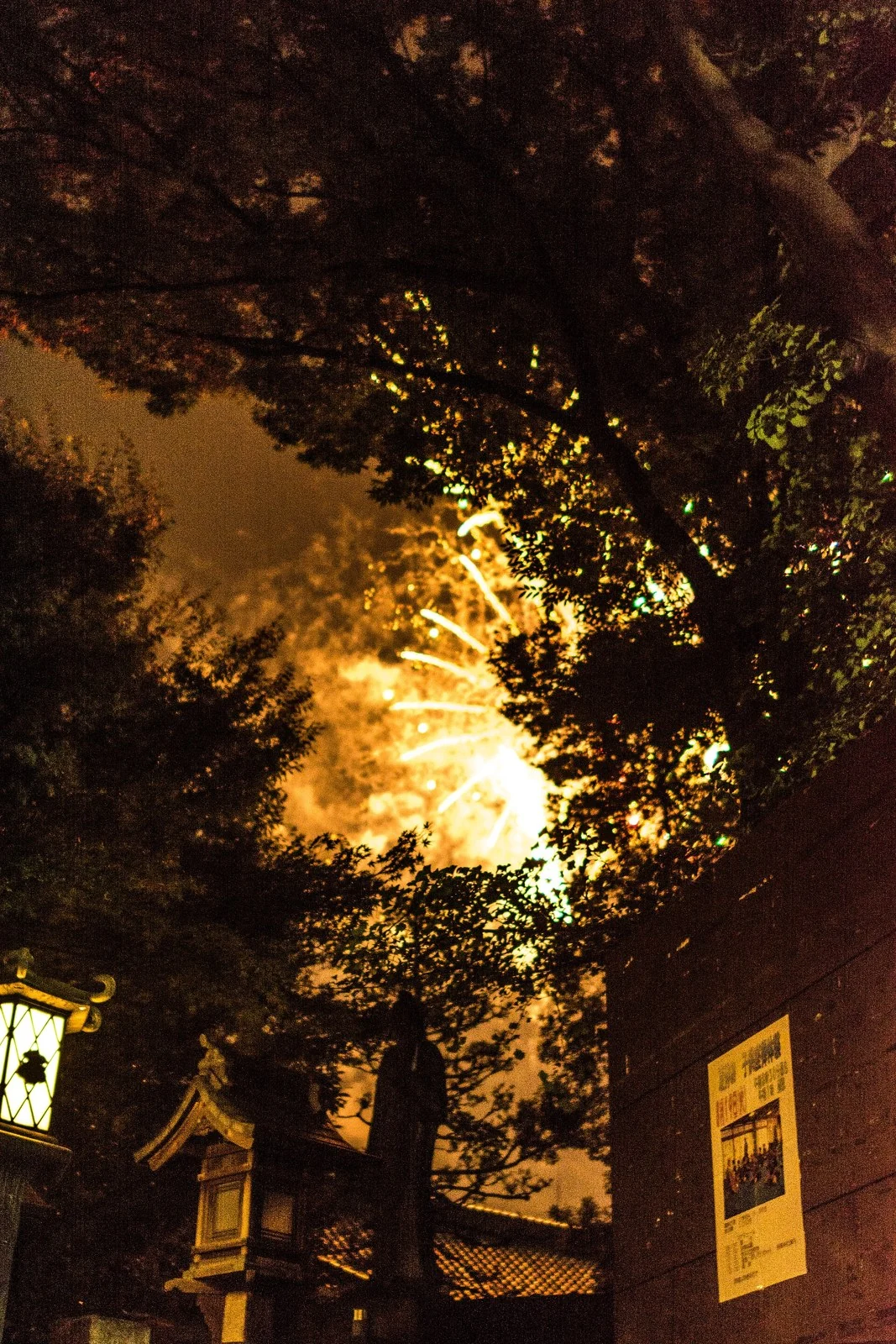
Fireworks over the river, festival lanterns and icy treats: summer in Tokyo is lively, beautiful and genuinely hot. Plan outdoor moments around cooler hours, then balance them with the city’s excellent indoor attractions.
Seasonal timing is a guide, not a guarantee. Check current opening hours, event dates, weather, ticket prices and reservation rules before you travel.
01
Fireworks, festivals & summer evenings
The Sumida River Fireworks Festival is a celebrated summer highlight, usually in late July; confirm the year’s official date, cancellation notices and viewing-area rules. Koenji Awa-odori usually brings dancing to the streets in late August, while neighborhood Bon dances and Tanabata displays offer smaller-scale celebrations. Riverbanks and stations can become extremely crowded: arrive early, follow one-way routes and do not stop on bridges. Paid viewing seats may require advance booking. Bring a rubbish bag and check your last train; thunderstorms or strong wind can change plans.
02
Skytree, Odaiba & weather-proof sightseeing
Pair Tokyo Skytree’s observation decks with the shops and aquarium around Tokyo Skytree Town for indoor breaks. Cloud, haze and storms can reduce the view; flexible timing helps. In Odaiba, enjoy the waterfront toward sunset, then head inside Tokyo Joypolis for games and rides, or visit Miraikan for science exhibits. Bayfront wind does not make midday heat safe, and urban beaches are not automatically swimming areas. Other easy pairings include early-morning Asakusa with a museum afternoon, or Ueno’s parks with air-conditioned galleries.
03
Tokyo Disneyland, DisneySea & amusement parks
Tokyo Disneyland and Tokyo DisneySea are in Maihama, Chiba, just outside Tokyo. Buy dated tickets through Tokyo Disney Resort’s official site and confirm park-specific entry and app rules; prices can vary by date. Summer events, water effects and entertainment differ each year. Plan shade and indoor breaks rather than trying to queue outdoors all afternoon. Yomiuriland offers rides and a seasonal pool complex, subject to separate tickets and operating dates. Tokyo Joypolis is largely indoors, but popular days still have queues and each attraction has height, age or health restrictions.
04
Fruit picking & seasonal foods
Look for blueberry picking at small farms in western Tokyo, including the Tama area, usually from early to midsummer depending on the farm. Peaches and grapes are popular on day trips to Yamanashi, outside Tokyo; reserve a farm directly and check harvest dates, transport, cancellation rules and what the fee includes. In the city, try kakigori shaved ice, chilled soba, sōmen, hiyashi chūka and watermelon. Festival stalls often sell yakisoba and grilled corn. Ask about toppings and sauces if you have allergies, and keep chilled food cold in the heat.
05
What to wear, bring & buy
Wear light, breathable clothing and broken-in walking shoes; carry a hat, sunscreen, refillable water bottle, small towel and compact umbrella. A light cardigan helps in strong air conditioning. Buy an uchiwa or folding sensu fan as a practical souvenir, or a yukata if you would like festival clothing; choose footwear you can safely walk in. Drugstores sell sunscreen and insect repellent, while convenience stores are useful for drinks and quick snacks. Rest regularly, especially with children or older travelers. Dizziness, headache or nausea in the heat is a reason to stop, cool down and seek help; emergency ambulance service is 119.
06
Rain, typhoons & flexible plans
Early summer often includes the rainy season, and later summer can bring typhoons and sudden thunderstorms. Follow Japan Meteorological Agency warnings and railway updates, not just a weather icon in a travel app. Do not go to riversides during dangerous rain or continue a mountain outing when storms approach. Keep one indoor alternative each day: a museum, aquarium, department-store food hall or Joypolis. Leave room in the schedule for slower travel and do not depend on a single fireworks night for the whole trip.
07
Busy dates & higher prices
Japanese school summer holidays typically run from late July through August, and Obon travel is especially busy around mid-August, though observance varies by region. Marine Day in July and Mountain Day in August can create busy long weekends. Major fireworks nights fill nearby hotels and trains. Accommodation, flights and date-priced theme-park tickets may cost more during peak demand; book early and compare flexible cancellation terms. A weekday does not guarantee quiet during school holidays. Confirm national holiday dates for your travel year and avoid tight intercity connections during peak periods.
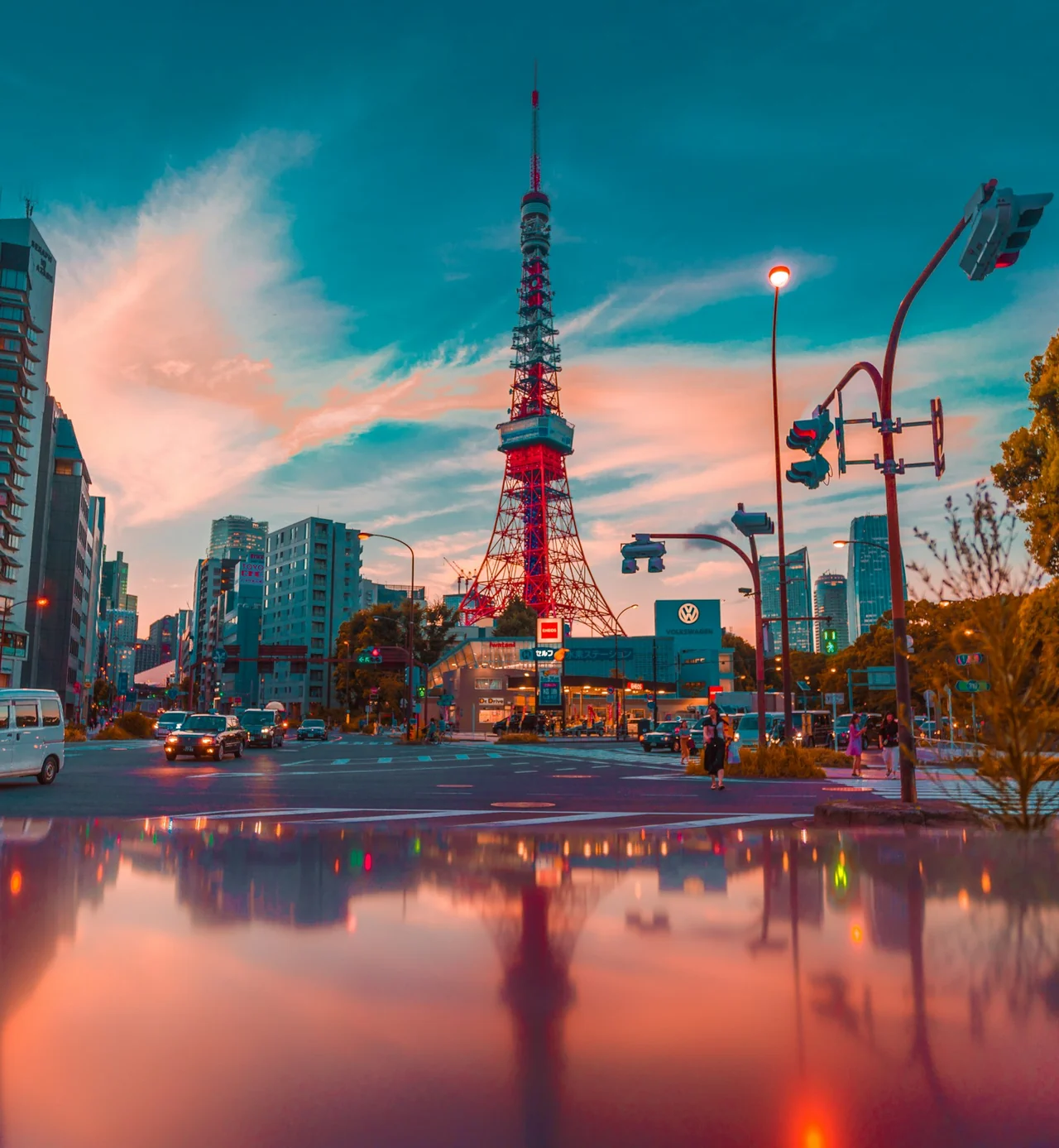
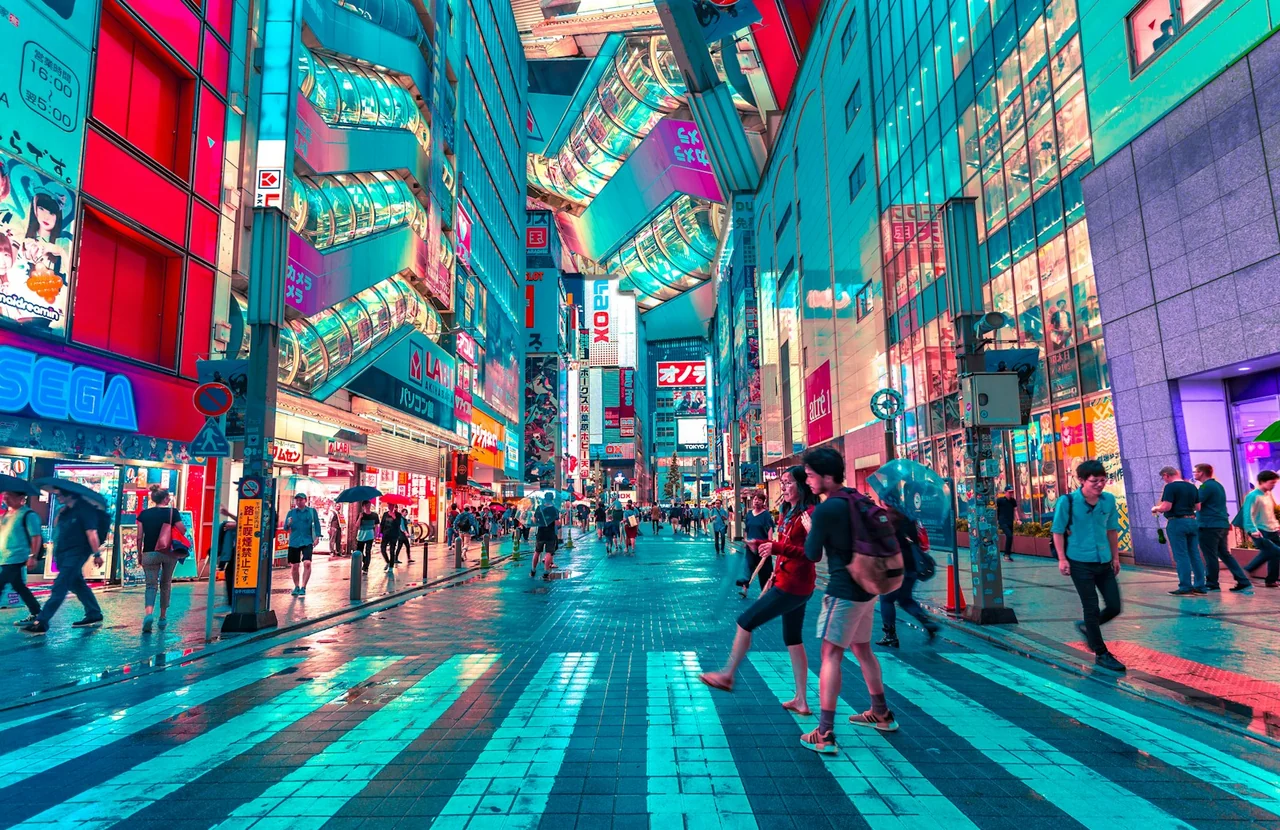
Tokyo after sunset
Official websites & current schedules
- GO TOKYO · Summer in Tokyo
- GO TOKYO seasonal events
- Tokyo Skytree
- Tokyo Disneyland & Tokyo DisneySea
- Tokyo Joypolis
- Odaiba & Tokyo waterfront
- Yomiuriland
- Japan Meteorological Agency
Cover photo resized; social preview cropped. Licensed as credited above.
Plan a trip around your season