Japan by rail
Travel Pass & Tokyo Station
Know your line. Choose the right ticket. From a first tap through the gates to a Shinkansen across Japan, start your journey with confidence.
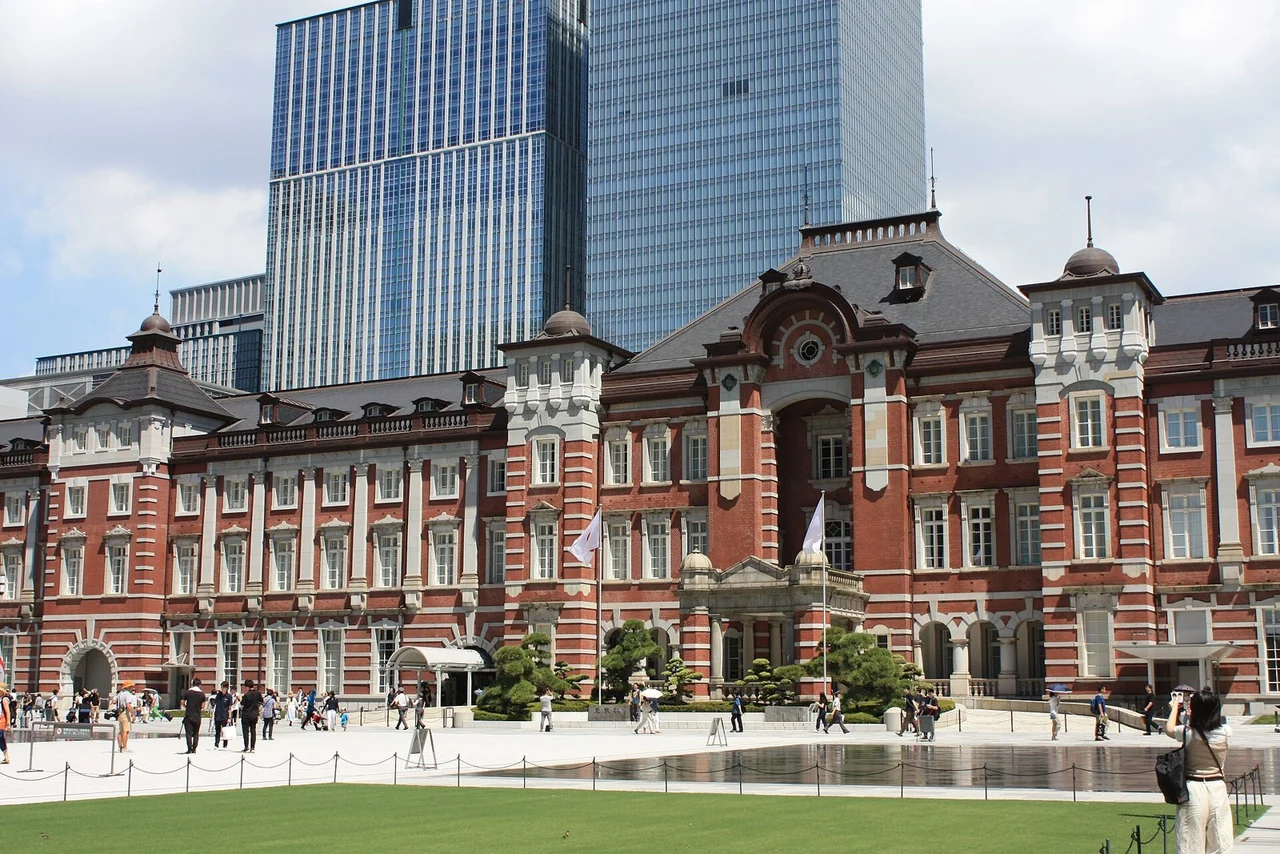
Tokyo Station’s Marunouchi facade · Alexandr3126 · CC BY-SA 4.0 · cropped / resized
A simple starting point
- 01City travel → Suica or PASMO, paying per ride.
- 02Several subway trips → compare a Metro / Toei ticket.
- 03Long-distance train → reserve with the correct railway.
Tokyo Station, without the maze
Two orientation diagrams, not to scale. They show station zones and major directions—not every stop, walkway or accessible route. Use the official maps for navigation.
Station zones
Keiyo ↔ Shinkansen: allow extra walking time
Where the lines lead
NORTH
Ueno · Omiya · Sendai · Hokkaido
WEST / CITY
Shinjuku · Takao · Ginza · Ikebukuro
EAST / AIRPORT
Chiba · Narita Airport · Maihama
SOUTH / WEST
Shinagawa · Yokohama · Kyoto · Osaka
Every regular line at Tokyo Station
Route-color strips and station-code badges echo the signs you will see. These are line identifiers, not operator logos or an endorsement. Platform numbers are guidance; the live departure board takes priority.
Yamanote Line
Ground level · 4 / 5
The city loop: Ueno and Ikebukuro in one direction; Shinagawa, Shibuya and Shinjuku in the other. Confirm the direction on the board, not just the green color.
Keihin-Tohoku / Negishi Line
Ground level · 3 / 6
North toward Ueno and Omiya; south toward Shinagawa, Yokohama and Ofuna. Daytime rapid services skip some central stops; Tokyo remains a stop.
Chuo Line (Rapid)
Elevated · 1 / 2
For Ochanomizu, Shinjuku, Tachikawa and Takao. Rapid and special rapid trains have different stops. The yellow Chuo-Sobu local line does not stop at Tokyo; change at Ochanomizu.
Tokaido Line
Ground level · usually 9 / 10; some 7 / 8
For Shinagawa, Yokohama, Odawara and Atami. Many trains continue through Tokyo via the Ueno-Tokyo Line. Ordinary-car travel is covered by a normal fare; Green Cars need an extra ticket.
Ueno-Tokyo: Utsunomiya / Takasaki
Ground level · 7 / 8
Through services north to Ueno, Omiya and onward to Utsunomiya or Takasaki. Ueno-Tokyo is the connecting corridor, not one destination: check the final destination and stopping pattern.
Joban Line through services
Ground level · 7 / 8
Selected rapid / ordinary services run through Tokyo toward Kashiwa, Toride and beyond. Hitachi and Tokiwa are limited expresses with an additional ticket; check their departure board.
Sobu Line (Rapid)
Sobu underground · 1–4
For Kinshicho, Funabashi and Chiba; some services continue toward Narita Airport or other Chiba destinations. This is not the yellow Sobu local line. Verify the destination before boarding.
Yokosuka Line
Sobu underground · 1–4
For Shinagawa, Yokohama, Kamakura, Yokosuka and Kurihama. Through-running trains connect with the Sobu Rapid Line. Follow the underground signs rather than the surface Tokaido platforms.
Keiyo Line
Keiyo underground · 1–4
For Maihama (Tokyo Disney Resort), Kaihimmakuhari and Soga. Its platforms are a long walk south of the main concourse. Different rapid patterns exist; confirm your stop.
Musashino Line through services
Keiyo underground · 1–4
Some trains use the Keiyo tracks from Tokyo, then turn onto the Musashino Line toward Nishi-Funabashi and Fuchuhommachi. Tokyo uses the JE01 station code; JM identifies the Musashino branch.
Tokyo Metro Marunouchi Line
Marunouchi-side underground · Metro 1 / 2
Tokyo Station’s only directly named subway line: toward Otemachi / Ikebukuro or Ginza / Shinjuku / Ogikubo. It has separate Metro gates. Other subway lines serve nearby Otemachi via signed pedestrian passages.
Shinkansen: the long-distance routes
The westbound Tokaido / Sanyo gates and JR East’s northern / inland gates are separate. Train names describe services; always check the destination, stops and seat rules.
Tokaido → Sanyo
Nozomi / Hikari / Kodama
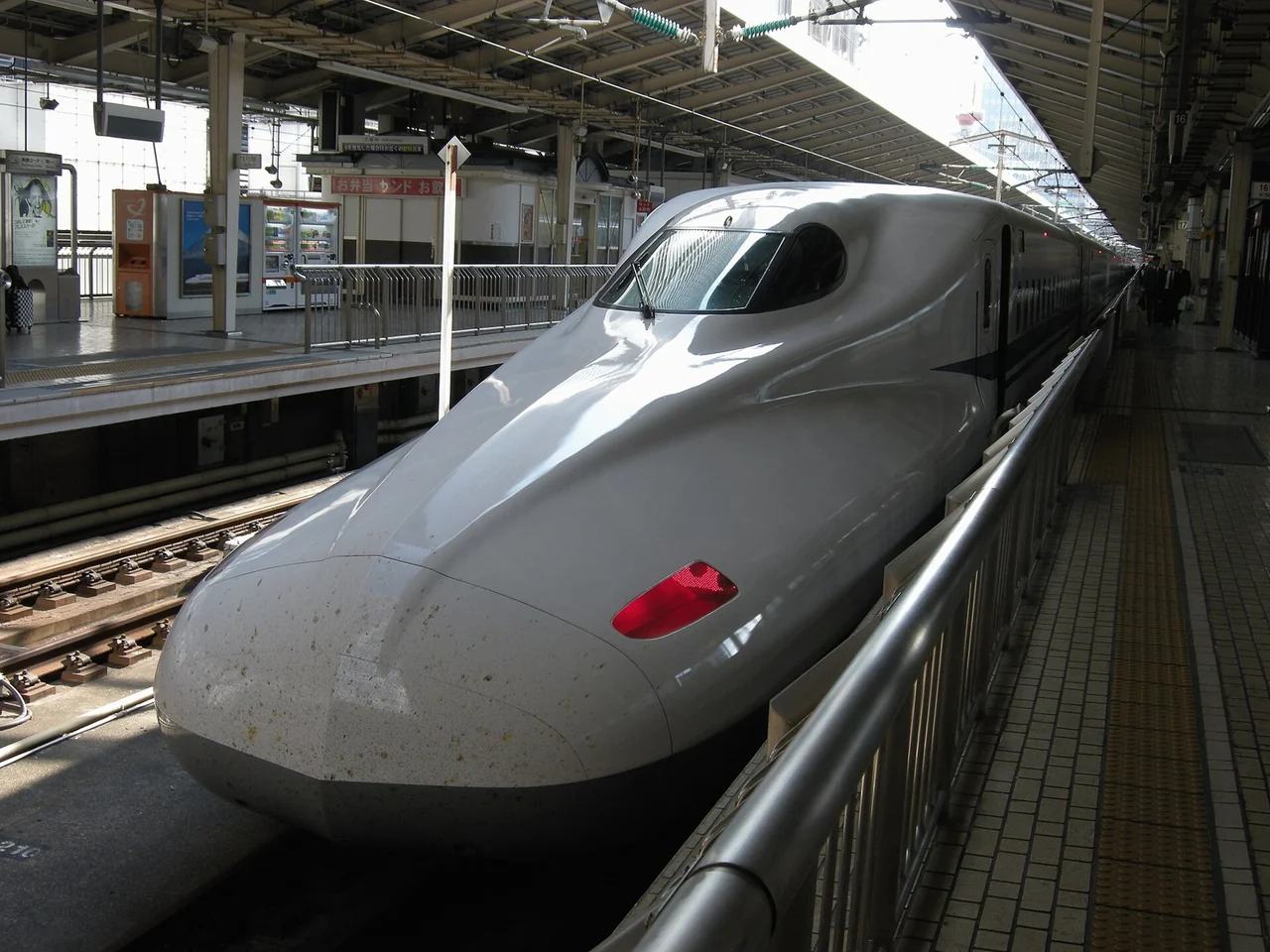
JR Central platforms 14–19. Nagoya, Kyoto and Shin-Osaka; through trains continue onto the Sanyo line to Okayama, Hiroshima and Hakata. There is no direct Tokyo–Kyushu Shinkansen service: change for destinations beyond Hakata.
Tohoku
Hayabusa / Hayate / Yamabiko / Nasuno
JR East platforms 20–23. Omiya, Sendai, Morioka and Shin-Aomori, depending on the service. Hayabusa is reserved-seat only; not every service calls at every station.
Hokkaido (via Tohoku)
Hayabusa
Through trains from Tokyo cross to Shin-Hakodate-Hokuto. This is not Sapporo: onward travel requires a connection. Check the timetable for the complete journey.
Yamagata (via Tohoku)
Tsubasa
Through service via Fukushima to Yamagata and Shinjo. Trains can be coupled to another service: board your assigned car, not simply the nearest door.
Akita (via Tohoku)
Komachi
Through service via Morioka to Kakunodate and Akita. Komachi is reserved-seat only and is often coupled with Hayabusa until Morioka; check the car number carefully.
Joetsu
Toki / Tanigawa
From Tokyo via Takasaki toward Echigo-Yuzawa and Niigata. Seasonal trains serve Gala Yuzawa. Check the final destination and which stops your train makes.
Hokuriku
Kagayaki / Hakutaka / Asama
Via Nagano to Toyama, Kanazawa and Tsuruga, depending on the service. Kagayaki is reserved-seat only. Asama terminates at Nagano; Tsurugi is a regional service, not a Tokyo departure.
Named limited expresses & special departures
- Narita Express (N’EX): Narita Airport; Sobu underground platforms. Reserved-seat limited express, not an ordinary IC-card-only ride.
- Odoriko / Saphir Odoriko: Izu Peninsula via the Tokaido route. Saphir has premium accommodation and separate conditions; reserve the correct train and class.
- Hitachi / Tokiwa: Joban route toward Mito and Iwaki (some Hitachi services continue farther). An additional limited-express ticket is required.
- Shiosai: Choshi via the Sobu route. Wakashio / Sazanami: Boso Peninsula via Keiyo. Operating days and Tokyo departures vary; consult the official timetable.
- Occasional overnight or seasonal services, including Sunrise departures, are not everyday commuter lines. They have special reservations and accommodation charges; check the date-specific timetable.
Local, express or Shinkansen?
Local
各駅停車 / 普通
Stops at every station on its operating section. Ordinary cars usually need only the basic fare; an IC card is useful in supported areas.
Rapid / special rapid
快速 / 特別快速
Skips stops. On ordinary JR rapid services, speed alone does not mean an extra fee. Confirm that your destination is a stop; paid Green Cars still cost extra.
Express / semi-express
急行 / 準急
Common on private railways beyond Tokyo Station. Stopping patterns and charges depend on the operator: do not assume the English word “express” always means a surcharge, or never does.
Limited express
特急
For JR services such as N’EX, add a limited-express ticket to the basic fare. Reservation rules vary. Some private-railway services use different rules; check the named train.
Shinkansen
新幹線
High-speed intercity trains with separate gates: basic fare plus Shinkansen charge, often sold together. Nozomi, Hikari and Kodama differ in stops; reserved-only trains have no free-seating cars.
Reserved / non-reserved / Green
指定席 / 自由席 / グリーン車
These describe seats, not lines. Reserved seats assign a car and seat; non-reserved seats do not guarantee a seat. Green Car is a premium class, including on some ordinary trains, with an extra charge.
Which ticket, pass or IC card?
Choose by the journeys you will actually make, not by the word “pass.” Check current prices and exclusions on each official page.
Suica / PASMO: pay as you go
Best starting point for mixed city routes. Stored balance pays ordinary fares on participating JR, Metro, Toei, private railways and buses. It is not an unlimited pass and does not itself reserve a Shinkansen seat. Use one card per person.
Physical Welcome Suica
A visitor IC card valid for 28 days from purchase, with no deposit and no refund of unused balance. Buy from the official airport / station sales locations; keep the accompanying reference paper. Top up only what you expect to spend. Mobile products have different terms.
Tokyo Subway Ticket: 24 / 48 / 72 hours
Unlimited Tokyo Metro and Toei Subway rides from first use within its validity rules. Not valid on JR, the Monorail or ordinary private-railway sections. Intended for eligible visitors; use the operator’s purchase link and check any ID or exchange requirements. QR and physical formats have their own instructions.
Metro 24-hour / Metro & Toei one-day tickets
The Metro-only 24-hour ticket excludes Toei and JR. The common one-day ticket covers Metro and Toei, but a calendar-day ticket is not the same as 24 hours. Read the named product’s expiry and compare fares for your actual itinerary.
Tokunai Pass: JR in Tokyo’s 23 wards
One day of eligible JR local / rapid ordinary-car travel within the 23 wards. It does not cover Metro, Toei or Shinkansen, and does not automatically include an airport ride. Buy via the official listed methods; similarly named Monorail combination products have different coverage.
JR TOKYO Wide Pass: regional trips
A three-consecutive-day regional pass for eligible foreign-passport holders, with specified JR East and partner routes. Check the coverage map and reserve eligible trains. It does not cover the Tokaido Shinkansen to Kyoto or Osaka; some partner services need extra payments.
JAPAN RAIL PASS: compare before buying
7, 14 or 21 consecutive days for travelers meeting the official eligibility rules, including the required visitor status. Compare point-to-point fares: a Tokyo-only stay rarely justifies it. Metro and most private railways are excluded. Nozomi / Mizuho require the special additional ticket; the pass alone is not enough.
Before Japan: book with the railway
- 1.
For Tokyo–Kyoto–Osaka–Hiroshima–Hakata and onward Kyushu connections, start at SmartEX. For JR East / Hokkaido Shinkansen and JR East limited expresses, use JR-EAST Train Reservation. Follow official links rather than sponsored look-alike sites; confirm operator, currency, total price, cancellation terms and ticket delivery before paying.
- 2.
Most regular reserved-seat sales open at 10:00 Japan time one month before departure, but each booking system has exceptions. SmartEX accepts certain requests up to one year ahead: exact trains and seats are not confirmed until its one-month confirmation stage, and some seat types are excluded. An early request is not a guaranteed final schedule.
- 3.
Reserve busy spring weekends, Golden Week, Obon and New Year journeys early. Keep an arrival-day buffer for immigration and baggage; avoid booking a non-flexible train directly after your flight. Check passport eligibility before buying any visitor pass.
- 4.
Save the reservation confirmation, pickup instructions and any QR code offline. Some bookings require the payment card, passport, pickup code or a particular operator’s machine. SmartEX can use a correctly linked IC card or its own boarding QR code where supported; merely buying an IC card is not enough. Read your booking’s exact instructions.
In Japan: machines, counters & IC cards
- 1.
Ordinary city travel usually needs no advance reservation. At a station machine, select English, choose a destination or fare, pay and collect the ticket. For longer journeys, use a reserved-seat machine or the correct operator’s staffed counter. Show the destination, date, time and passenger count on your phone if needed.
- 2.
For a physical Suica or PASMO, check current official sales locations and deposit / refund terms. Tourist cards have different conditions. Supported iPhones / Apple Watches may use digital cards; overseas Android devices often lack the required support. Check your device and payment card before relying on mobile-only travel.
- 3.
Top up at compatible machines or participating convenience stores; physical-card top-ups commonly use cash. Keep yen as a backup because foreign bank cards can fail authentication. Tap the same card or device at entry and exit. At a low-balance exit, use fare adjustment or ask the staff; never follow someone through the gate.
- 4.
An IC card cannot necessarily carry you across separate IC regions or onto every rural line. Buy the appropriate paper / reserved ticket for unsupported journeys. Children may need a child IC card or child fare; confirm age rules rather than sharing an adult card.
Your first ride, step by step
- 1.
Plan the route with a departure time, not just two place names. Match the station name, operator, line code, direction, platform and train type. “Shin” can indicate a different station: read the exact station name on every booking, especially Shin-Osaka and Shin-Yokohama.
- 2.
For paper tickets, insert the required ticket(s) at the correct gate and retrieve those returned. Some long-distance trips have separate basic-fare and express tickets; others combine them. At transfer gates, follow your booking’s IC / paper / QR instructions—do not mix methods at random. Ask staff before entering if unsure.
- 3.
Queue at the platform’s marked car position, let passengers off first and stay behind the safety line. Reserved tickets show the car and seat. On coupled Shinkansen, the wrong car can take you to a different destination. Do not put luggage in another passenger’s booked space.
- 4.
At Tokyo Station, Marunouchi is the west / red-brick side and Yaesu the east side. Keiyo platforms are far south; JR’s published Shinkansen transfer guide allows about 20 minutes from Keiyo versus 10–15 for several other lines. These are guides, not guarantees—allow more for luggage, lifts and your first visit.
Luggage, etiquette & a safe journey
- 1.
On Tokaido / Sanyo / Kyushu Shinkansen, bags with length + width + height over 160 cm and up to 250 cm generally require the designated oversized-baggage reservation; over 250 cm is not permitted under the ordinary allowance. Other limits and exceptions apply. Check the current official rules for your train; baggage-seat availability is limited.
- 2.
Use station lockers or reputable hotel-arranged luggage forwarding for a lighter travel day. Note delivery dates before sending luggage; keep medicines, travel documents and valuables with you. Request wheelchair / boarding assistance from the operator in advance when possible; use official step-free maps.
- 3.
Keep calls off commuter trains, lower your voice and do not eat on crowded city services. Eating an ekiben is customary on suitable intercity trains, subject to onboard rules. Keep priority seats available, avoid blocking doors, and follow staff instructions rather than copying one person’s escalator behavior.
- 4.
Check the last connection all the way to your hotel: trains normally do not run all night. For delays, use operator updates and ask at a staffed gate. For lost property, contact the operator promptly with train, car, time and item details. Do not enter the tracks; alert staff if something falls.
Airport trains: do not assume “Tokyo Station”
- 1.
Narita Express reaches Tokyo Station’s Sobu underground platforms with a reserved limited-express ticket. Keisei Skyliner instead serves Nippori and Keisei-Ueno, not Tokyo Station; change onto a city route if needed. Narita Airport terminals have different station names—select the right one.
- 2.
From Haneda, the Tokyo Monorail reaches Hamamatsucho, then JR connects to Tokyo. Keikyu can connect via Shinagawa; not every departure goes there, so check the service and transfer. Neither the Monorail nor Keikyu has a Tokyo Station platform. Late arrivals may need a bus or taxi after the last train.
Station words worth saving
| Japanese / kanji | Reading | Meaning |
|---|---|---|
| 駅 | eki | Station |
| 東京 | Tōkyō | Tokyo |
| 改札口 | kaisatsuguchi | Ticket gate |
| 入口 / 出口 | iriguchi / deguchi | Entrance / exit |
| 丸の内 / 八重洲 | Marunouchi / Yaesu | West / east side of Tokyo Station |
| 乗り換え | norikae | Transfer |
| のりば / 番線 | noriba / bansen | Platform / track number |
| 方面 / 行き | hōmen / yuki | Direction / bound for |
| 発 / 着 | hatsu / chaku | Departure / arrival |
| 乗車券 | jōshaken | Basic-fare ticket |
| 特急券 | tokkyūken | Limited-express / Shinkansen charge ticket |
| 指定席 / 自由席 | shiteiseki / jiyūseki | Reserved / non-reserved seating |
| 号車 / 席 | gōsha / seki | Car number / seat |
| 精算 / チャージ | seisan / chāji | Fare adjustment / top up |
| 運賃 / 料金 | unchin / ryōkin | Basic fare / additional charge |
| 終電 / 始発 | shūden / shihatsu | Last train / first train (or originating station) |
| 遅延 / 運休 | chien / unkyū | Delay / cancellation |
| 優先席 | yūsenseki | Priority seats |
| 回送 | kaisō | Out of passenger service — do not board |
| みどりの窓口 | midori no madoguchi | JR staffed ticket office |
| この電車は東京駅に停まりますか? | Kono densha wa Tōkyō-eki ni tomarimasu ka? | Does this train stop at Tokyo Station? |
Official links & photo credits
- JR East: Tokyo Station map & platforms
- JR East: Tokyo Station timetables
- Official JR Tokyo-area railway map (PDF)
- Tokyo Metro: official subway maps
- Tokyo Metro: Tokyo Station M17
- SmartEX: Tokaido, Sanyo & Kyushu reservations
- SmartEX: reservation windows & confirmation
- JR-EAST Train Reservation (Eki-net)
- JR East: Welcome Suica conditions
- JR East: where to buy Welcome Suica
- PASMO: visitor cards & device guidance
- Tokyo Subway Ticket: official purchase & conditions
- Tokyo Metro: one-day & 24-hour tickets
- JR East: Tokyo Metropolitan District Pass
- JR East: JR TOKYO Wide Pass
- JAPAN RAIL PASS: eligibility, coverage & official sales
- SmartEX: oversized baggage rules
- JR East: Tokyo Station Travel Service Center
Tokyo Station’s Marunouchi facade · Alexandr3126 · CC BY-SA 4.0 · cropped / resized
Original photographLicenseN700 Shinkansen at Tokyo Station · contri · CC BY-SA 2.0 · resized
Original photographLicense